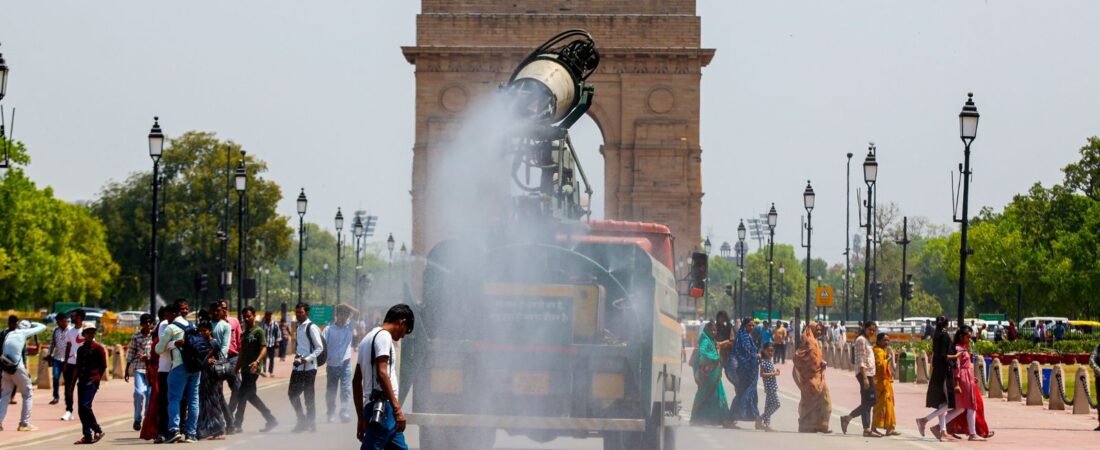
Delhi’s summer is no longer just “hot.” With temperatures touching 45°C and beyond, stepping outside can feel like walking into a furnace. Roads radiate heat, vehicles become ovens, and people traveling on foot, cycle, or two-wheelers face the worst of it every single day.
From delivery workers and laborers to students and office commuters, thousands of people are exposed to dangerous heatwaves daily. Heat exhaustion, dehydration, headaches, dizziness, and even heatstroke have become increasingly common.
This blog is written to help as many people as possible stay safe, cool, and healthy during extreme heatwaves.
Why Heatwaves Are Dangerous
A heatwave is not just uncomfortable — it can be life-threatening.
When the body gets overheated and cannot cool itself properly, it can lead to:
- Severe dehydration
- Heat exhaustion
- Heatstroke
- Fainting
- Low blood pressure
- Muscle cramps
- Breathing discomfort
- Weakness and fatigue
Children, elderly people, outdoor workers, and people traveling long distances in the sun are especially vulnerable.
1. Drink Water Before You Feel Thirsty
One of the biggest mistakes people make is waiting until they feel thirsty.
By the time thirst appears, the body is already dehydrated.
Best Hydration Tips
- Drink water every 20–30 minutes when outdoors
- Carry a reusable water bottle everywhere
- Add ORS, lemon, or electrolyte powder if sweating heavily
- Drink coconut water whenever possible
- Avoid excessive tea, coffee, and soft drinks in peak heat
Natural Cooling Drinks
These traditional Indian drinks help cool the body naturally:
- Nimbu Pani (Lemon Water)
- Jaljeera
- Buttermilk (Chaas)
- Coconut Water
- Aam Panna
- Sattu Drink
These are inexpensive, effective, and much healthier than sugary cold drinks.
2. Cover Your Head and Skin Properly
Direct sunlight can raise body temperature very quickly.
People traveling on bikes, scooters, cycles, or walking in open sunlight should protect exposed skin.
What to Wear in Extreme Heat
- Light-colored cotton clothes
- Loose-fitting shirts and pants
- Cotton scarves or gamchas
- UV-protection sunglasses
- Caps or wide hats
For two-wheeler riders:
- Wear a full-face helmet with ventilation
- Use arm sleeves or light cotton coverings
- Keep a wet cloth inside the helmet for temporary cooling
Dark-colored clothes absorb more heat, so avoid black or thick fabrics during the daytime.
3. Avoid Going Out Between 12 PM and 4 PM
This is usually the hottest and most dangerous period of the day.
If possible:
- Travel early morning
- Finish outdoor work before noon
- Delay unnecessary travel until evening
If your work requires being outside:
- Take short breaks in shade
- Rest every 30–45 minutes
- Wet your face and neck regularly
Even 5 minutes in shade can significantly reduce body stress.
4. Protect Yourself While Traveling on Two-Wheelers or Cycles
People on motorcycles, scooters, and cycles face direct exposure to hot winds and burning roads.
Important Safety Tips
- Keep a water bottle attached to your vehicle
- Stop periodically to cool down
- Use sunscreen on exposed skin
- Avoid metal seats heating under direct sun
- Park vehicles in shade whenever possible
Cyclists should especially avoid overexertion during peak heat hours.
5. Eat Foods That Cool the Body
Your diet plays a huge role during heatwaves.
Heavy, oily, and spicy foods increase body heat and can make you feel sluggish.
Eat More of These Foods
- Watermelon
- Cucumber
- Muskmelon
- Curd/Yogurt
- Mint
- Onions
- Tomatoes
- Leafy vegetables
Reduce Consumption Of
- Fried foods
- Excessively spicy meals
- Alcohol
- Sugary beverages
- Heavy junk food
Small and frequent meals are better during intense heat.
6. Know the Warning Signs of Heatstroke
Heatstroke is a medical emergency.
Symptoms You Should Never Ignore
- Dizziness
- Nausea
- Confusion
- Rapid heartbeat
- Extreme weakness
- High body temperature
- Fainting
- Dry skin with no sweating
Immediate First Aid
If someone shows these symptoms:
- Move them to shade immediately
- Give cool water slowly
- Apply wet cloth on head and neck
- Loosen tight clothing
- Seek medical help urgently
Do not ignore these signs thinking it is “normal summer weakness.”
7. Keep Your Home Cool Naturally
Not everyone has access to air conditioning, especially during power cuts.
Simple Ways to Reduce Indoor Heat
- Keep curtains closed during afternoon
- Use wet curtains or damp cloth near windows
- Open windows during early morning and night
- Place a bowl of ice in front of a fan
- Use earthen pots (matkas) for naturally cool water
Plants around windows and balconies also help reduce surrounding temperature.
8. Special Advice for Workers and Delivery Riders
Delivery agents, street vendors, construction workers, and daily wage workers face extreme exposure every day.
If you work outdoors:
- Carry ORS packets
- Keep a wet towel around your neck
- Avoid skipping meals
- Rest in shade whenever possible
- Inform someone immediately if you feel dizzy
Employers should also provide:
- Drinking water
- Shade breaks
- Cooling facilities
- Flexible working hours during peak heat
Heat safety should be treated as a serious health priority.
9. Help Others During Heatwaves
A small act can save someone from collapsing in the heat.
You can:
- Offer water to workers and delivery riders
- Keep water bowls outside for animals and birds
- Help elderly neighbors
- Avoid leaving children or pets inside parked vehicles
Humanity matters most during extreme weather conditions.
Final Thoughts
Delhi’s rising temperatures are becoming more dangerous every year. Heatwaves are no longer something we can ignore. Whether you travel by foot, cycle, scooter, or work outdoors all day, protecting yourself from extreme heat is essential.
Staying hydrated, covering yourself properly, eating cooling foods, and recognizing early warning signs can save lives.
Take care of yourself, your family, and the people around you. Sometimes even a bottle of water, a shaded place to rest, or sharing awareness can make a huge difference.
Stay safe. Stay hydrated. Stay cool.